The Drive In
Saint-François-Longchamp sits at 1 450 metres above sea level, high above the Maurienne valley floor, and the last kilometres of road make that elevation gain impossible to ignore. From Chambéry or Grenoble, the total journey runs to roughly two hours — motorway and valley road, then a final switchbacking climb that deposits you, slightly wide-eyed, at the resort.
From Chambéry, pick up the A43 autoroute heading south-east into the Maurienne. The valley road follows the Arc river as far as La Chambre, before Saint-Jean-de-Maurienne; there, a turning sign-posted to the resort sends you off the valley floor and up. The hairpins begin immediately. The road is well-maintained and properly asphalted, but it demands attention: tight corners, exposed edges, and in winter, conditions that change within a single kilometre of altitude.
From Grenoble, the approach via the A480 and then east through the Belledonne foothills is fractionally longer but equally straightforward until that final climb.
From Geneva, allow around two and a half to three hours depending on traffic, joining the Maurienne corridor via Albertville and the A43.
Winter tyres are not optional here. French law requires snow-equipped tyres — winter tyres or, at minimum, all-seasons meeting the alpine standard — on mountain roads. Snow chains can be required at any point during the season, and a set in the boot costs nothing against the alternative. Chains are occasionally compulsory on the ascent to the resort after heavy snowfall; check the Bison Futé or Savoie road conditions service before you leave the valley.
Fuel up in La Chambre or Saint-Jean-de-Maurienne before leaving the valley — there is no petrol station at altitude. The same logic applies to cash: the resort has services, but the valley town is the safer place to sort practicalities before the climb.
Parking at the resort is plentiful by Alpine standards. Most accommodation sits close to the slopes, and the village layout is compact enough that once you have parked, the car largely stays put for the week — which is, frankly, the ideal outcome.
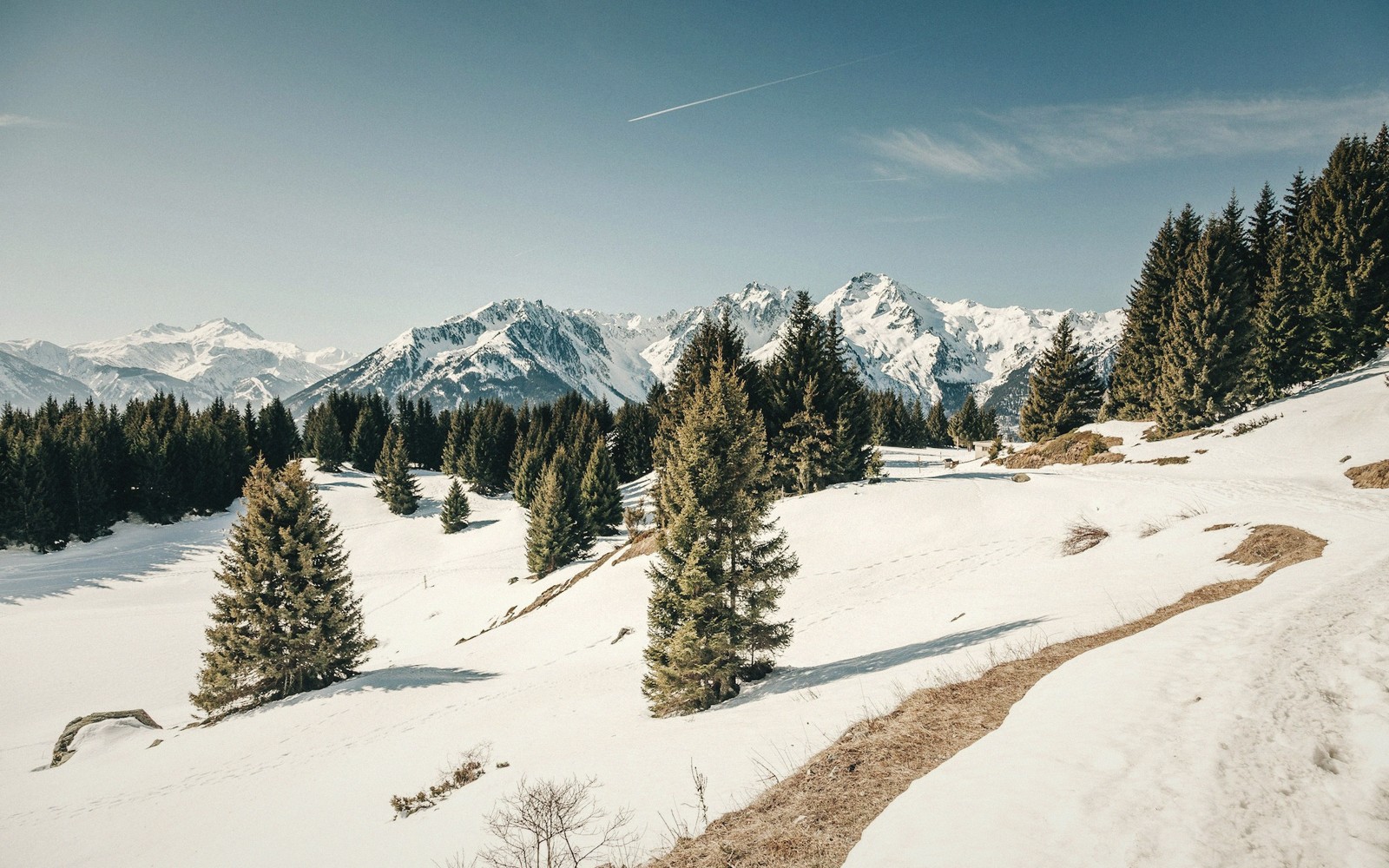
In summer the same road becomes something else entirely: open, sweeping, the Lauzière massif rising to the west and the Col de la Madeleine above — a great cycling climb that earns its Tour de France reputation in every metre. Driving it in July or August with the windows down is its own small pleasure, the kind the Maurienne rewards in any season.