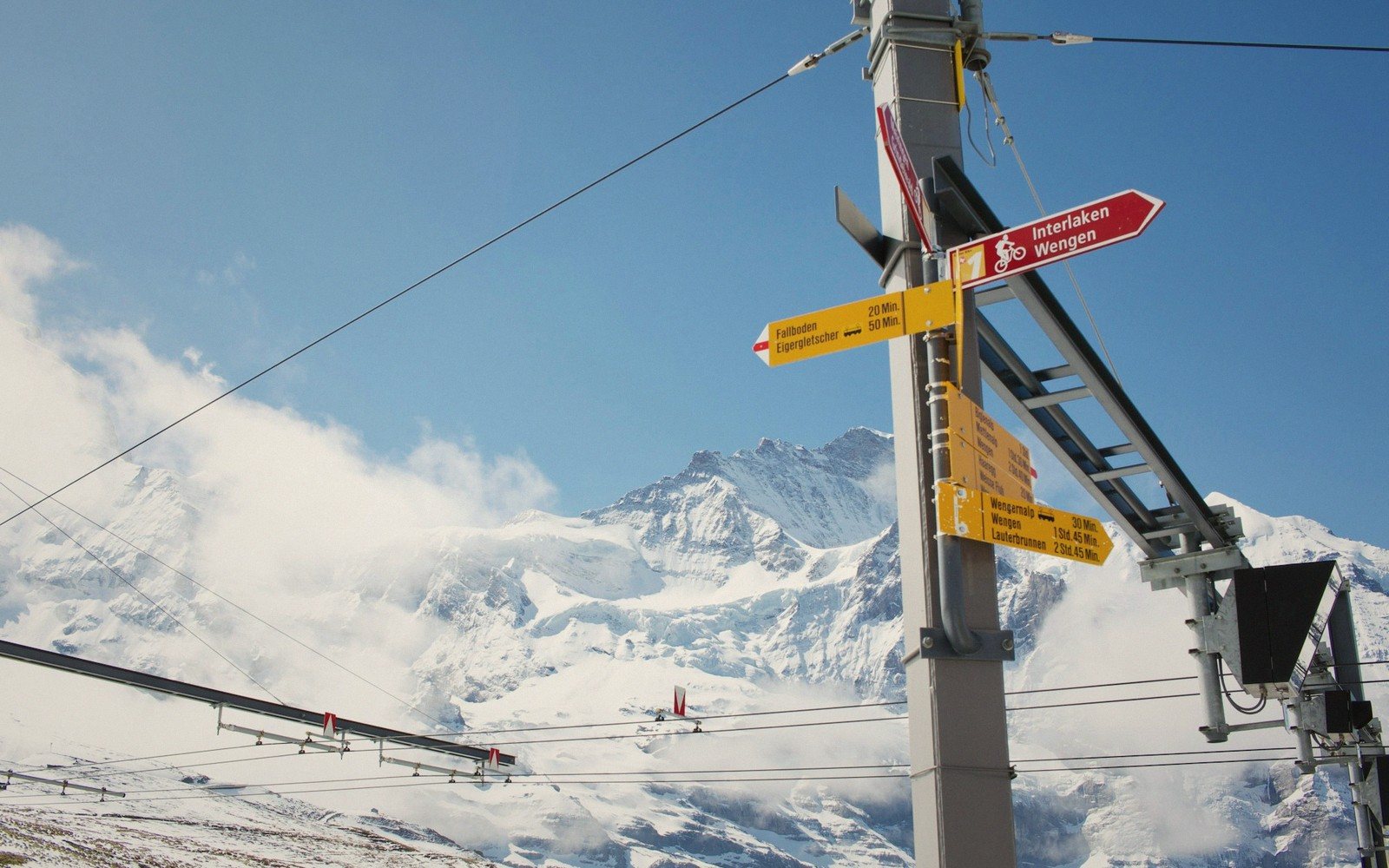
Ski over the ridge between the Maurienne and the Tarentaise — one lift pass, two resorts, a full day of chasing altitude and light.
1What the Pass Buys You
There are ski areas that advertise big numbers and deliver a modest circuit. Le Grand Domaine is not one of them. The shared lift pass linking Saint-François-Longchamp with Valmorel covers a genuine spread of mountain — around 165 kilometres of marked pistes ranging from long, confidence-building blues to sustained red runs that ask something of your legs. What makes it feel larger than many nominally bigger domains is the way it is laid out: two resorts on opposite flanks of the same ridge, the Col de la Madeleine standing between them, each village looking out over a different valley. Saint-François-Longchamp faces the Maurienne below; Valmorel turns its back on it and looks toward the Tarentaise. Ski the whole thing and you have crossed the Alps in a small but satisfying way.
The terrain runs between roughly 1,450 metres at the valley stations and 2,550 metres at the high points, giving enough vertical to justify an early start and enough variety to fill it without retracing your tracks. The Lauzière massif rises to the west; the main ridge above both resorts provides the high ground. On a clear morning — and the Maurienne catches a lot of them — the views from the upper lifts stretch toward Mont Blanc to the north-east and back down the valley toward Chambéry.
2Reading the Mountain Like a Clock
The practical pleasure of a linked two-resort domain is the ability to follow the sun. Saint-François-Longchamp's slopes catch the light early; the runs above the village are at their best in the morning hours when the piste surface is fresh and the shadows are still long in the valley below. The sector above Le Grand Bois and the runs served by the higher chairs give you the most vertical, and a confident intermediate can string several of them together before the mountain has had time to soften. By mid-morning, once the Maurienne-side runs have given you their best, the natural move is to cross toward Valmorel.
The crossing itself is one of the day's landmarks. The ridge above 2,000 metres feels genuinely high — exposed in a good way, with the mountain opening out on both sides — before the pistes drop into the quieter, slightly different character of the Valmorel sector. Les Envers and the runs in that northern-facing bowl hold their snow condition well into the afternoon, which makes the timing instinctive once you have done it once. Plan the traverse for mid-morning, ski Valmorel through lunch, and you arrive back on the Saint-François-Longchamp side in the late afternoon with the light already turning gold on the Lauzière across the valley.
3The Logistics of a Long Day
Getting the most from the full domain is a question of organisation rather than fitness. The link between the two resorts runs through a sequence of lifts and connecting pistes — not a single dramatic gondola leap — so it pays to study the piste map before you set out and to identify the key link lifts. Queues are rarely the issue they would be in a larger resort; this is an area that rewards the independently minded skier who moves at their own pace rather than following the crowd to the most visible run.
Lunch on the Valmorel side makes logistical sense if you are doing the full crossing — it breaks the day neatly and avoids the slightly rushed feeling of trying to cross back on a full stomach and tired legs. The mountain restaurants on both sides of the ridge offer the usual Savoyard warmth: the right moment to appreciate a bowl of soup and the view rather than pushing through.
Beginners are well served on both sides of the domain without needing to attempt the full crossing, and the runs around Saint-François-Longchamp's lower sectors are genuinely forgiving. But it is the intermediate and confident skier for whom Le Grand Domaine is really designed — someone who wants to spend a full day in motion, turning constantly rather than queuing, reading the mountain rather than being managed by it. Two valleys, one pass, and enough mountain to come back the next day and find a different line.